Honest, practical safety advice for visiting Cape Town — safe areas, transport tips, township visits, hiking safety and emergency numbers.
Cape Town is one of the most visited cities in Africa — and for good reason. The scenery is world-class, the food is extraordinary, and the people are warm. But like any major city, it has its challenges, and a little preparation goes a long way. This is your honest, practical guide to staying safe in Cape Town as a tourist in 2025 — no scaremongering, just sensible advice from people who live here and show visitors around every day.
Key Takeaways
- The tourist areas are safe: The V&A Waterfront, Camps Bay, Constantia, the Winelands, and the main attractions are well-patrolled and popular with visitors year-round
- Use a guide for townships: Township visits are safe and rewarding with a knowledgeable local guide — do not go independently if you do not know the area
- Transport: Use Uber, Bolt, or a registered tour operator. Avoid walking long distances alone at night, especially in the CBD
- Valuables: Do not flash expensive jewellery, cameras, or phones in crowded areas. Use hotel safes and keep copies of documents
- Common sense wins: The same street smarts that keep you safe in London, New York, or Rio apply here
Is Cape Town Safe for Tourists?
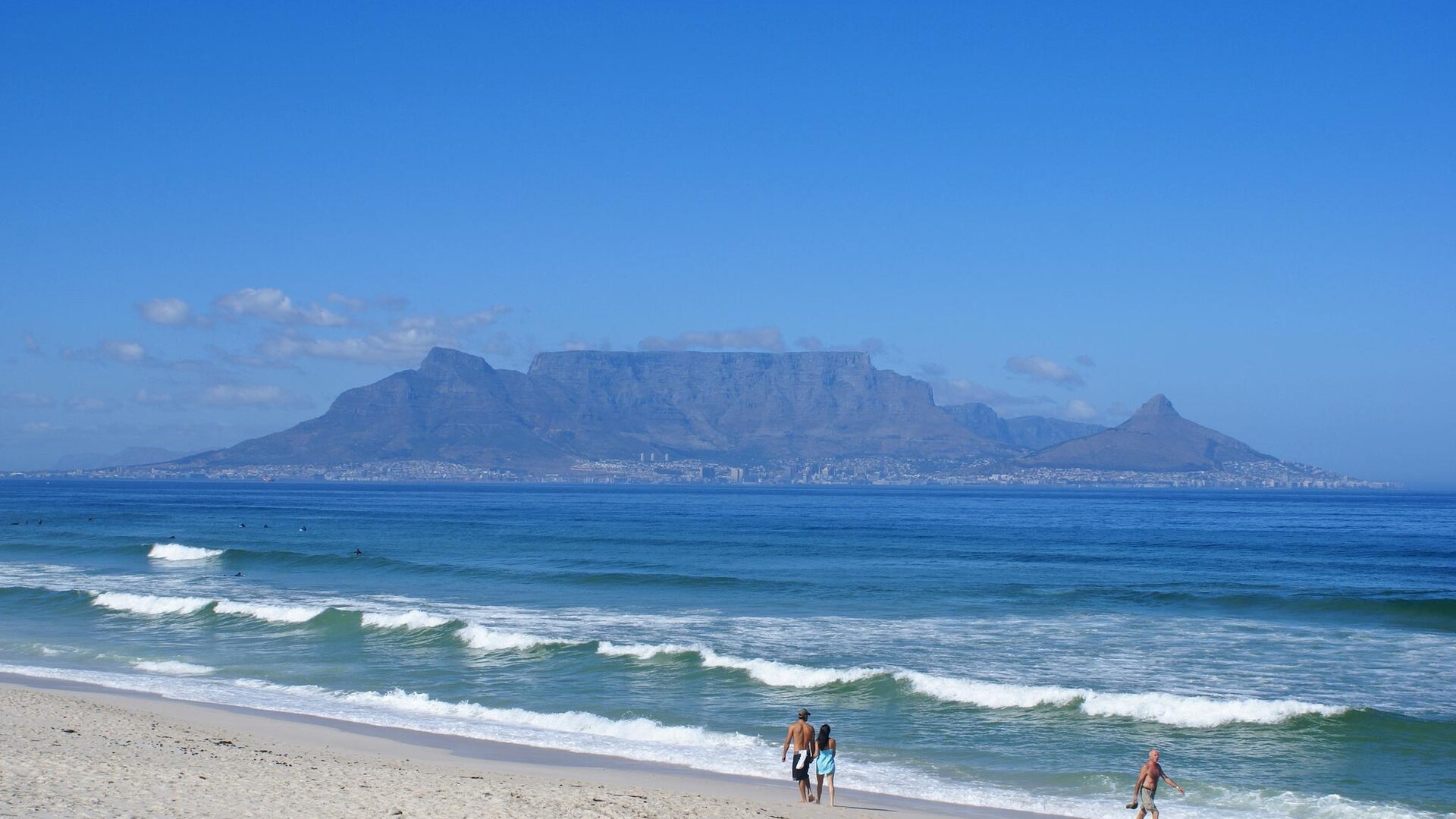
Yes. Millions of tourists visit Cape Town every year, and the vast majority have a fantastic, trouble-free experience. The main tourist areas — the V&A Waterfront, Table Mountain, Camps Bay, Constantia, the Winelands, the Cape Peninsula — are safe, well-lit, and regularly patrolled. Cape Town ranks consistently among the top tourism destinations in Africa and has a well-developed tourism infrastructure with professional guides, transport services, and hospitality.
That said, Cape Town does have areas with high crime rates, mainly related to poverty and inequality. These areas are not on the typical tourist route. By following a few simple precautions, you can enjoy everything Cape Town has to offer with confidence.
Safe Areas for Tourists
| Area | Safety Level | Notes |
|---|---|---|
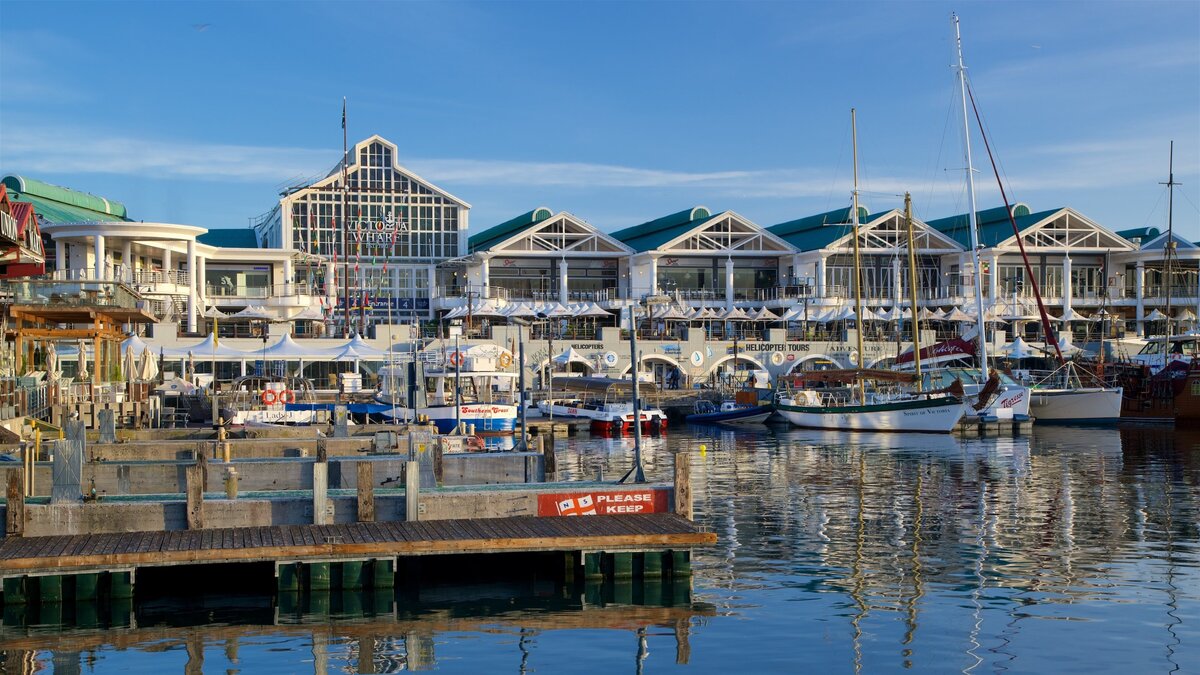
| V&A Waterfront | Very safe | Private security, CCTV, well-lit. Safe day and night |
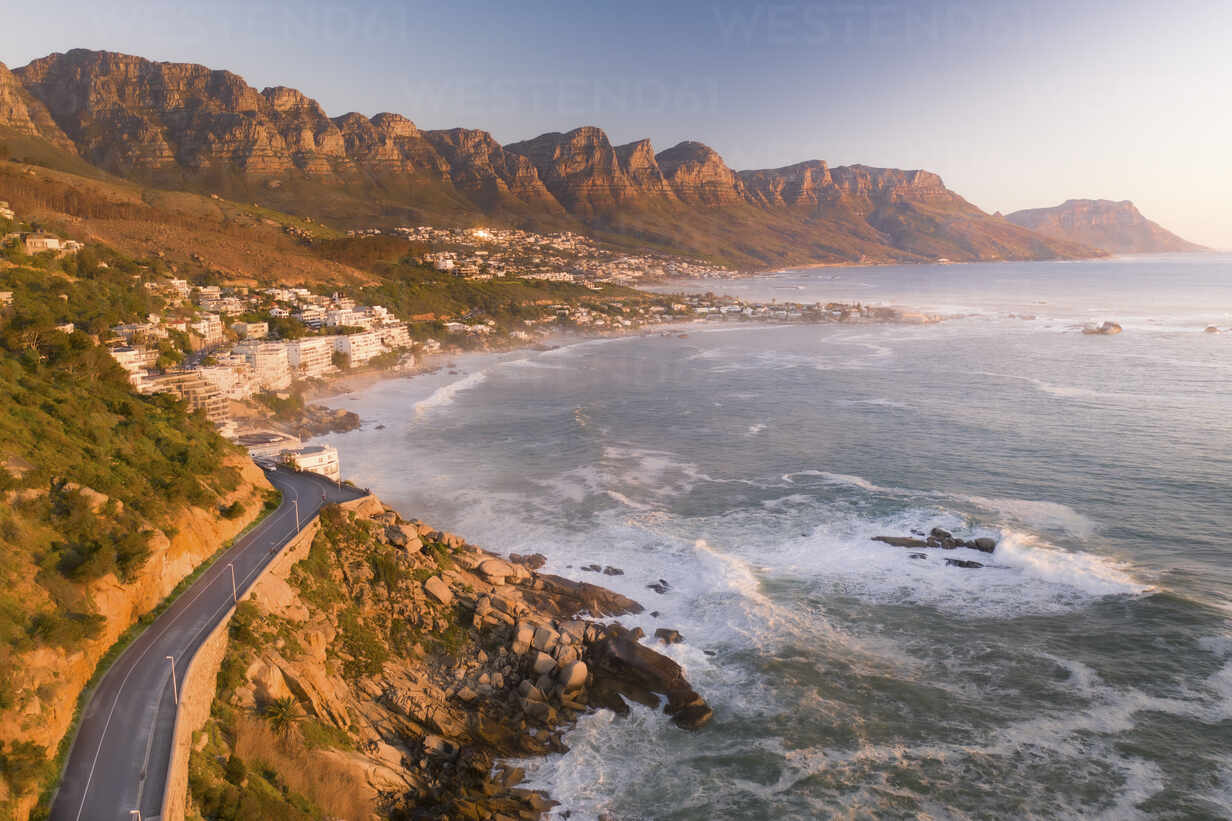
| Camps Bay & Clifton | Very safe | Affluent beachfront strip, busy with visitors |
| Constantia & Tokai | Very safe | Wine estates, restaurants, quiet suburban area |
| Table Mountain & Kirstenbosch | Very safe | National park with rangers; hike in groups |
| Cape Winelands (Stellenbosch, Franschhoek) | Very safe | Wine country, relaxed, tourist-friendly |
| City Bowl (Long Street, Kloof Street) | Safe by day | Be alert at night; use Uber rather than walking |
| Sea Point Promenade | Safe | Popular walking/jogging route; busy until late |
Transport Safety
Uber and Bolt are widely available, affordable, and the safest way to get around Cape Town — especially at night. Rides are tracked, and drivers are rated. For day trips and longer excursions, a registered tour operator with a professional driver-guide is ideal: they know the roads, the safe stops, and the areas to avoid.
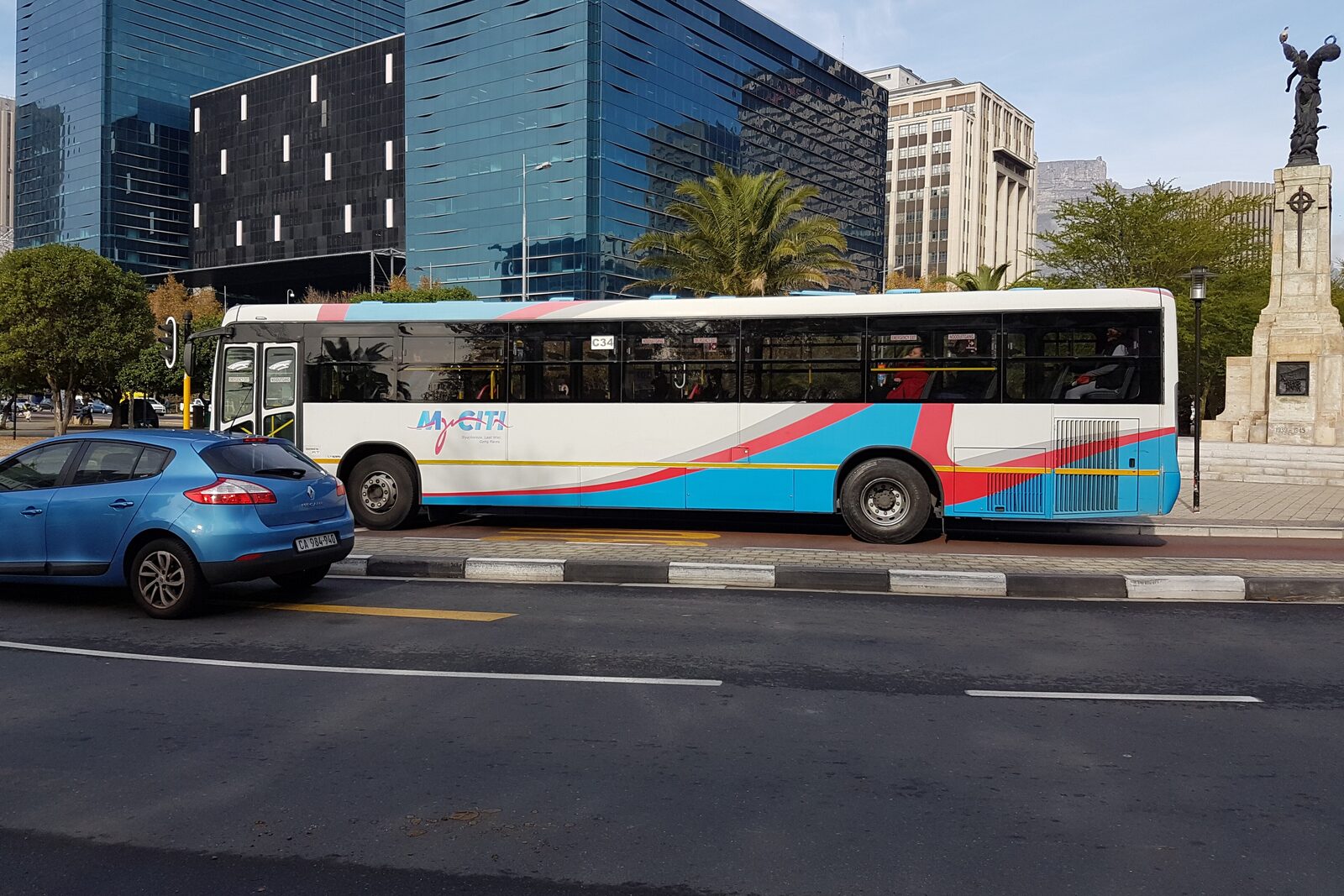
MyCiTi buses run dedicated routes between the airport, the city centre, and some suburbs. They are safe, modern, and reliable during operating hours.
Car hire is fine for confident drivers. Keep windows up and doors locked in traffic, and do not leave valuables visible. Avoid driving in unfamiliar areas at night.
➡ Best of Cape Town Full-Day Private Tour
➡ Cape Peninsula Private Tour — All Fees Included
Township Visits
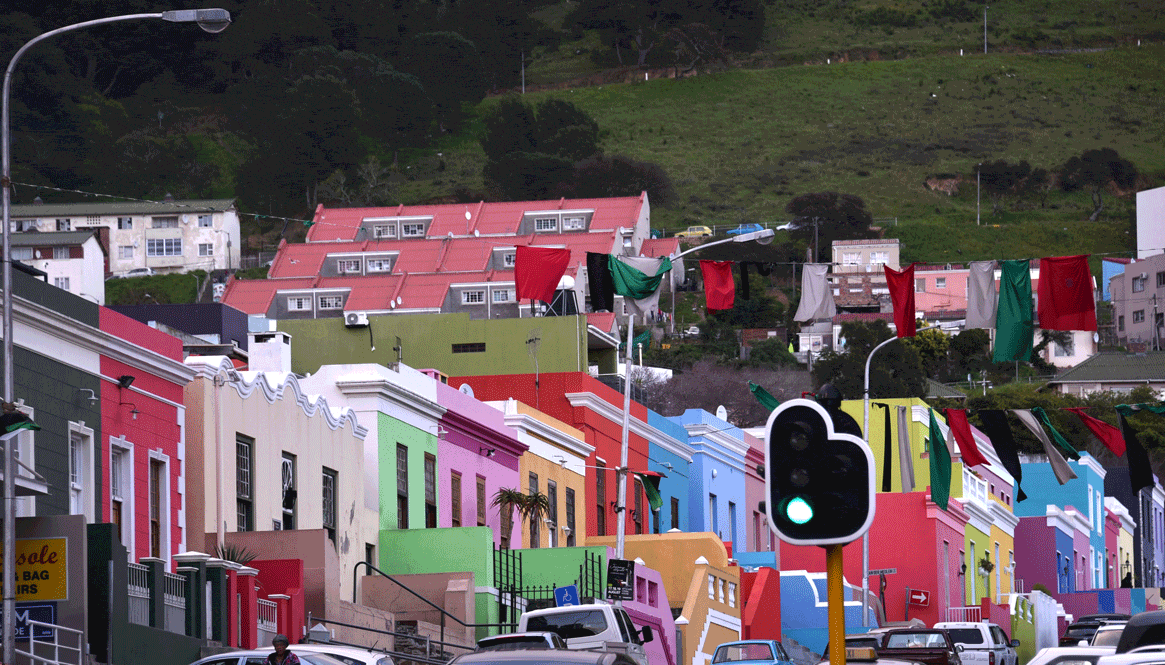
Visiting a township like Langa, Gugulethu, or Khayelitsha is one of the most meaningful things you can do in Cape Town — but always go with a guide. A good local guide knows the community, introduces you to residents, and ensures your visit is respectful and safe. Do not drive into a township unaccompanied if you do not know the area.
➡ Township Half-Day Tour with BBQ Lunch
➡ Cape Town Walking Tour with African Lunch
Hiking Safety
Table Mountain and the surrounding trails are beautiful but must be treated with respect. Weather can change fast — cloud can roll in within minutes, reducing visibility to near zero. Always tell someone your route, carry water and sun protection, start early, and preferably hike in a group. Avoid isolated trails alone, and never hike after dark. For the best experience, consider a guided hike.
Beach Safety
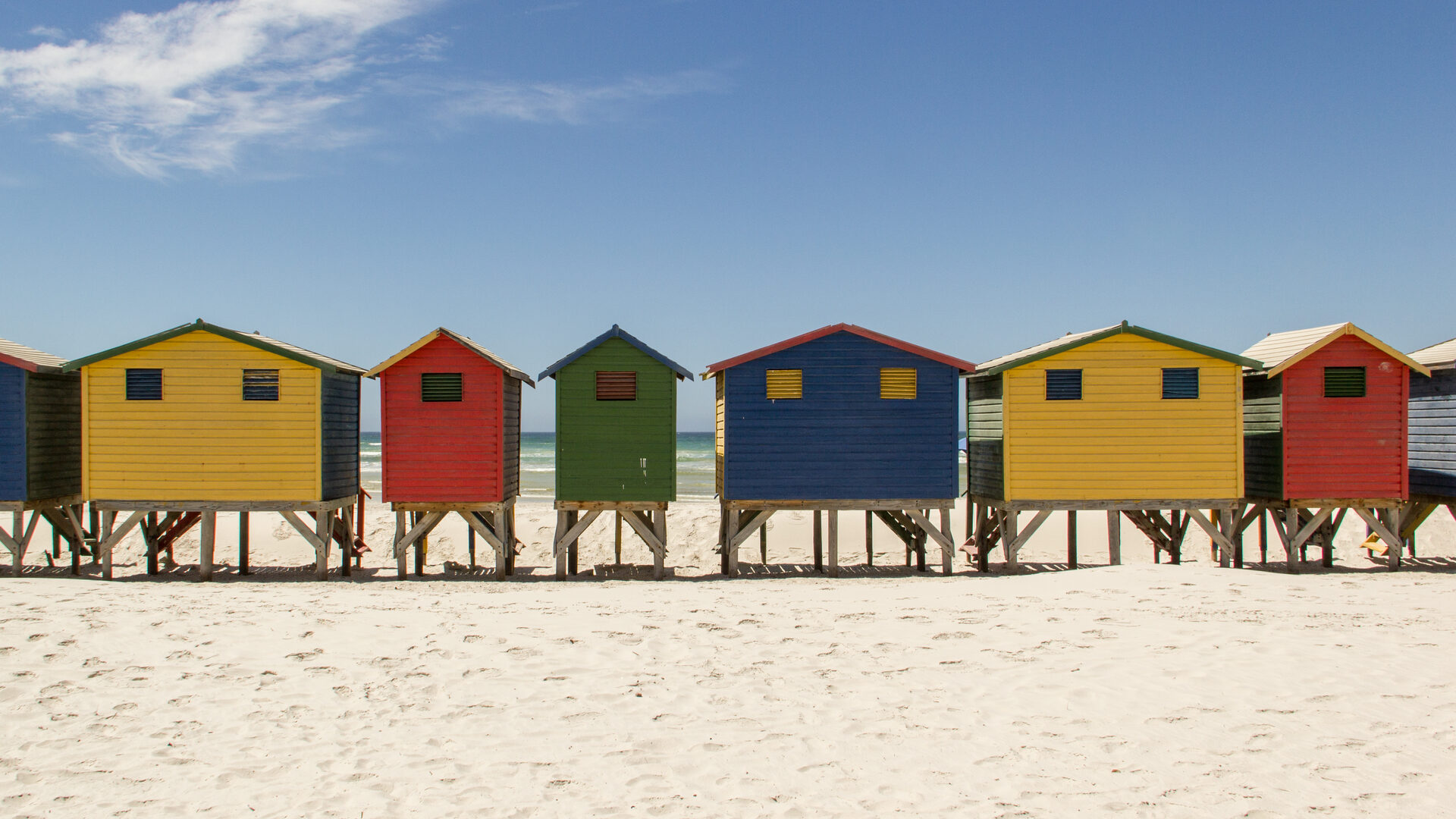
Cape Town's Atlantic beaches (Camps Bay, Clifton, Llandudno) have cold water and can have strong currents. Swim only where lifeguards are on duty (look for the red and yellow flags). False Bay beaches (Muizenberg, Fish Hoek) are warmer and more sheltered. Always keep valuables out of sight on the beach — leave them in your hotel safe or car boot.
Practical Safety Tips
- Carry a photocopy of your passport rather than the original; keep the real one in your hotel safe
- Use a cross-body bag rather than a backpack in crowded areas
- Avoid walking alone at night in quiet or poorly lit areas, especially in the CBD and around the train station
- Do not leave bags or phones on restaurant tables near the street
- Keep car doors locked and windows up at traffic lights
- Be cautious at ATMs — use machines inside banks or shopping centres
- If someone asks for directions or approaches you, be polite but firm; do not feel obliged to stop
- In an emergency, dial 10111 (police) or 10177 (ambulance)


Frequently Asked Questions
Is Cape Town safe to walk around?
In the main tourist areas — the V&A Waterfront, Camps Bay, Sea Point Promenade, Constantia, and the Winelands — yes, absolutely. In the city centre (CBD), walking is fine during the day but it is best to use Uber or Bolt at night rather than walking long distances in quiet streets.
Is it safe to visit the townships in Cape Town?
Yes, with a local guide. Guided township tours are well-established, safe, and one of the most rewarding cultural experiences in the city. Do not drive into a township independently unless you know the area and the community.
Should I hire a car in Cape Town?
A car is useful for exploring the Peninsula, Winelands, and Garden Route at your own pace. Keep valuables out of sight, keep doors locked, and avoid driving in unfamiliar areas at night. Alternatively, a guided tour means a local driver handles everything for you.
What should I do if I have an emergency in Cape Town?
Dial 10111 for the police or 10177 for an ambulance. For medical emergencies, Netcare and Mediclinic private hospitals are excellent and have 24-hour emergency rooms. Keep your hotel's number and your tour operator's number saved in your phone.
Are Uber and Bolt safe in Cape Town?
Yes. Both services are widely used by locals and tourists. Always check the driver's name, photo, and licence plate before getting in. Share your trip with a friend or family member using the in-app feature. Rides are tracked and you can rate your driver.
Written by Beyond Africa Safaris
Beyond Africa Safaris · Gray Line South Africa

Inspired?
Turn This Story Into Your Adventure
Book your unforgettable South African experience with Beyond Africa Safaris.
Explore Tours