
Durban or Cape Town? Compare beaches, food, culture, safari access, nightlife, and costs side by side to choose the right South African city for your trip.
Durban vs Cape Town: Which South African City Should You Visit?
It is the question every first-time visitor to South Africa wrestles with: Durban or Cape Town? Both are coastal cities with world-class beaches, rich cultural history, and enough attractions to fill a week — but they deliver radically different experiences. This guide compares them side by side so you can choose the right city for your trip, or plan a route that includes both.
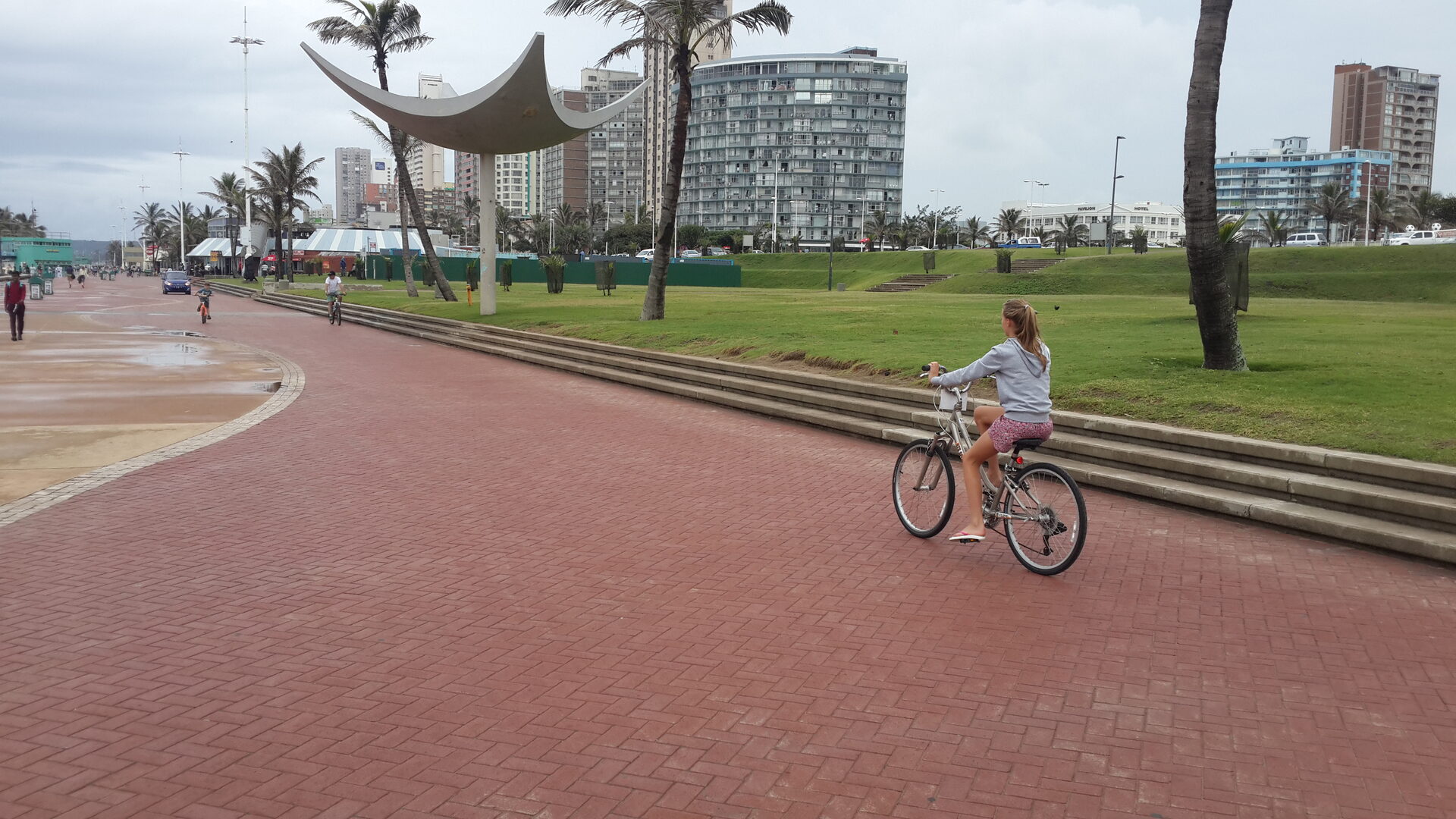
At a Glance: Durban vs Cape Town
| Category | Cape Town | Durban |
|---|---|---|
| Climate | Mediterranean — dry summers, wet winters | Subtropical — warm year-round, summer rain |
| Beach Water Temp | 10–18°C (cold Atlantic) | 21–27°C (warm Indian Ocean) |
| Best For | Scenery, wine, hiking, history | Warm beaches, surfing, curry, Zulu culture |
| Safari Access | Aquila (2 hrs) or Garden Route (5 hrs) | Hluhluwe-iMfolozi (3 hrs) |
| Food Scene | World-class fine dining + markets | Best Indian food in Africa + bunny chow |
| Nightlife | Long Street, Camps Bay, rooftop bars | Florida Road, uMhlanga, beachfront bars |
| Budget | Moderate (higher accommodation) | More affordable overall |
Key Takeaways
- Cape Town wins for scenery, wine, and hiking; Durban wins for warm beaches, surfing, and affordability.
- Both cities offer excellent day-trip safaris and cultural experiences.
- Cape Town has a Mediterranean climate; Durban is subtropical and warm year-round.
- Ideally, include both cities in your South Africa itinerary — direct flights take 2 hours.
- Start with a Best of Cape Town full-day tour or a Durban full-day city tour to get oriented.
Scenery and Natural Beauty
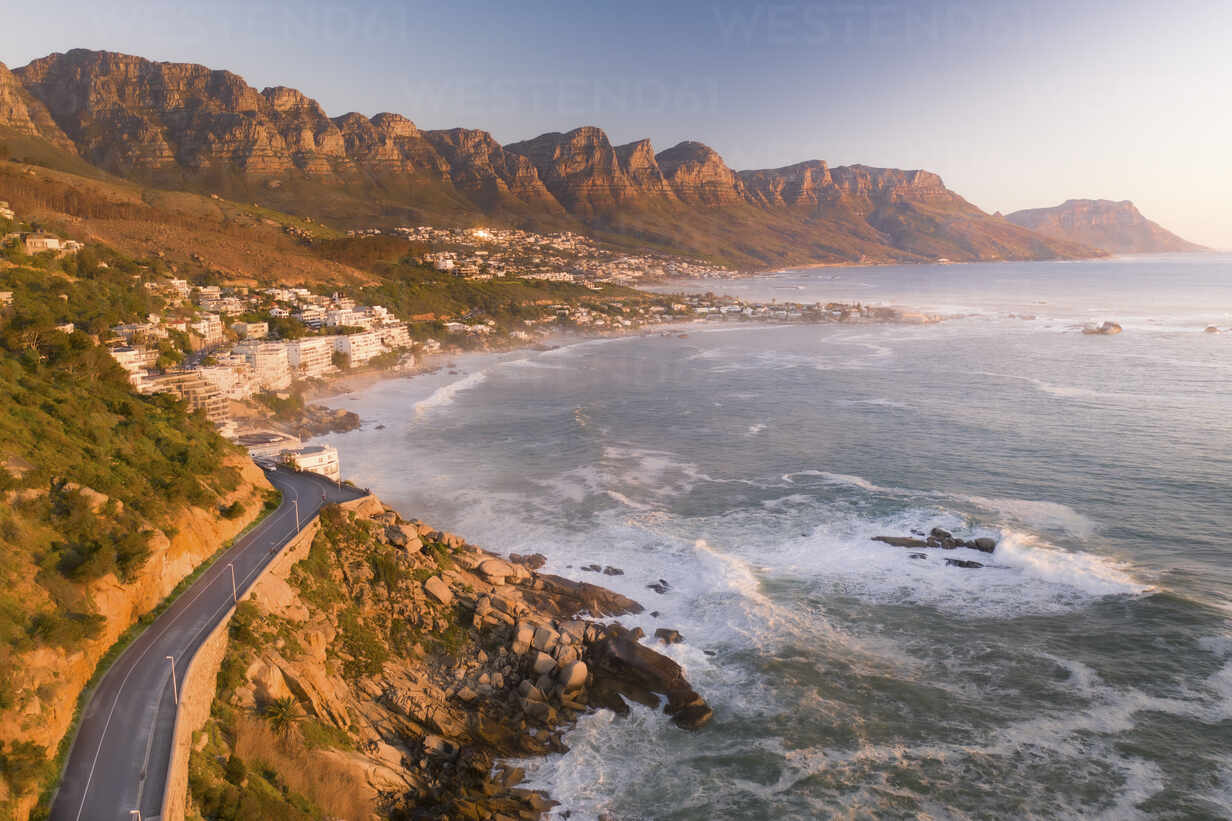
Cape Town is one of the most visually dramatic cities on earth. Table Mountain dominates the skyline, the Twelve Apostles plunge into the Atlantic, Chapman's Peak Drive hugs sheer cliffs, and the Cape of Good Hope marks the edge of the continent. The scenery is consistently jaw-dropping — every drive reveals a new postcard.
Durban trades drama for tropical lushness. The coastline is flatter but warmer, fringed by sub-tropical vegetation and long golden beaches. The Valley of a Thousand Hills, just outside the city, offers rolling green mountains and traditional Zulu homesteads. It is beautiful in a softer, more relaxed way.
Verdict: Cape Town wins this one convincingly. The combination of mountain, ocean, vineyards, and fynbos is unmatched.
Beaches
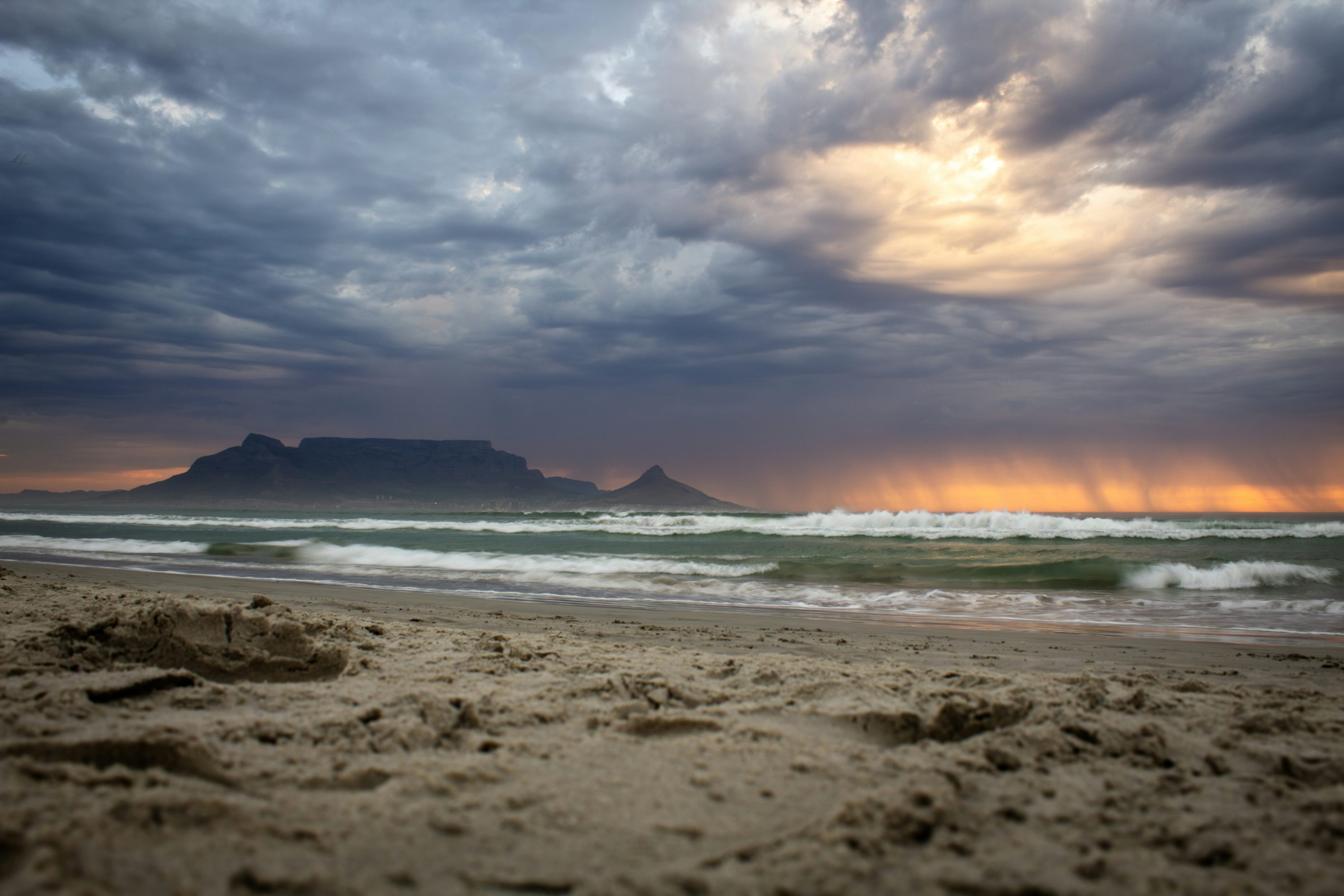
Cape Town has stunning beaches — Clifton, Camps Bay, Llandudno — but the Atlantic water is cold (12–18°C even in summer). Beautiful for sunbathing and photography, challenging for swimming unless you are made of ice. The False Bay side (Muizenberg, Fish Hoek) is warmer but still not tropical.
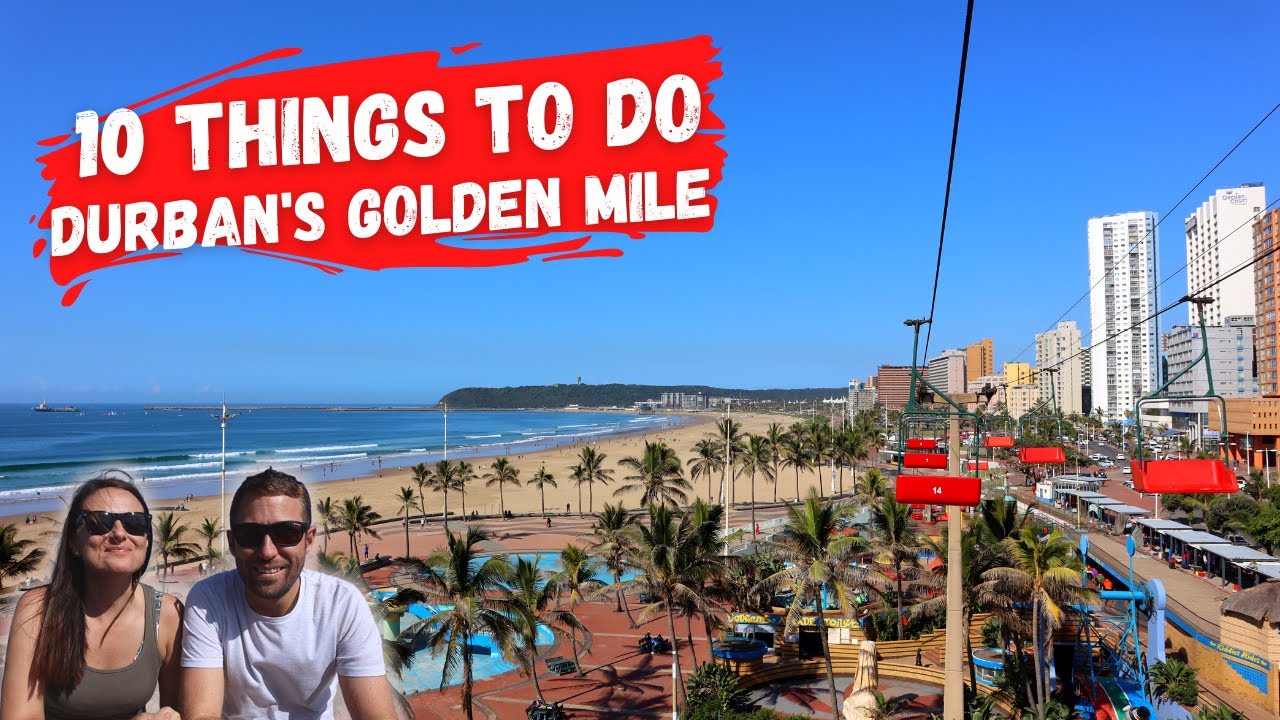
Durban's Indian Ocean beaches are warm enough to swim in year-round (22–27°C in summer). The Golden Mile beachfront has protected swimming areas, while uMhlanga and Ballito to the north offer upmarket beach towns. Durban is also South Africa's surfing capital — consistent swells and warm water make it paradise for surfers.
Verdict: If you want to actually swim and surf, Durban wins hands down. If you want dramatic beach scenery for photography and sundowners, Cape Town.
Food
Cape Town has one of the top food scenes in the Southern Hemisphere. Multiple restaurants feature on international best-of lists, the weekend markets are world-class, and the Winelands add vineyard lunches to the mix. Cape Malay cuisine — fragrant curries, samoosas, koeksisters — is unique to the city.
Durban is the curry capital of South Africa. The city's large Indian community has created a food culture that rivals anything in the subcontinent. Bunny chow (a hollowed-out bread loaf filled with curry) is Durban's signature dish and a must-eat experience. The beachfront also serves excellent seafood — prawns, crayfish, and line fish at prices Cape Town cannot match.
Verdict: Tie — depends on your palate. Cape Town for fine dining and wine; Durban for the best curry you will eat outside India.
Culture and History
Cape Town: Robben Island (Mandela's prison), the District Six Museum, Bo-Kaap, and the Zeitz MOCAA contemporary art museum. The city's history spans 350 years of colonial, apartheid, and post-democratic eras. Township tours provide powerful insight into South Africa's ongoing transformation.
Durban: The KwaMuhle Museum (apartheid-era Durban), the Durban Botanic Gardens (oldest in Africa), and the vibrant Indian Quarter around Dr Yusuf Dadoo Street. Day trips reach the Zulu War battlefields at Isandlwana and Rorke's Drift, and the Mandela Capture Site near Howick.
Verdict: Cape Town has the edge for museums and political history; Durban offers deeper access to Zulu culture and battlefield history.

Safari and Wildlife
From Cape Town: The closest Big 5 safari is Aquila Private Game Reserve (2 hours). For a fuller safari experience, the Garden Route offers Addo Elephant Park and private reserves. A Table Mountain, Penguins and Cape Point tour combines wildlife (penguins, seals) with spectacular scenery.
From Durban: Hluhluwe-iMfolozi Game Reserve is just 3 hours north and offers genuine Big 5 sightings in a reserve that played a critical role in saving the white rhino from extinction. iSimangaliso Wetland Park (St Lucia) adds hippos, crocodiles, and whale sharks to the mix.
Verdict: Durban has the better safari access. Hluhluwe-iMfolozi is a world-class reserve, and the drive is shorter and more scenic than the route to Aquila from Cape Town.
When to Visit Each City
Cape Town: October to March is prime season — long sunny days, outdoor dining, and the Table Mountain cable car runs reliably. Winter (June–August) brings rain but also whale season in Hermanus, lower prices, and cosy fireside dining.
Durban: April to September (dry season) offers warm days, lower humidity, and the best beach weather. Summer (December–March) is hot and humid with afternoon thunderstorms — great for surfing, less comfortable for sightseeing.
Can You Do Both?
Absolutely — and you should. Direct flights between Cape Town and Durban take two hours and cost from R800 one-way on budget airlines. A 10-day South Africa itinerary that includes 5 days in Cape Town and 3–4 days in Durban (with a Hluhluwe safari day trip) covers the best of both worlds.
Frequently Asked Questions
Is Durban or Cape Town better for a first visit to South Africa?
Cape Town is the better choice for a first visit — the sheer concentration of world-class attractions (Table Mountain, Robben Island, Cape Point, Winelands) makes it the more complete single-destination experience. Add Durban if you have 10 or more days.
Which city is safer for tourists?
Both cities are safe in tourist areas when you take standard precautions. Cape Town's tourist infrastructure is more developed, with well-patrolled areas around the Waterfront, Camps Bay, and the city centre. In Durban, stick to the beachfront, uMhlanga, and established tourist zones.
Can I fly between Durban and Cape Town?
Yes — multiple daily flights take approximately two hours. Budget airlines (FlySafair, Lift) offer fares from R800 one-way when booked in advance. Alternatively, the Garden Route drive between the two cities is one of the world's great road trips (allow 3–5 days).
Which city has warmer beaches?
Durban, without question. The Indian Ocean side reaches 22–27°C in summer, while Cape Town's Atlantic beaches rarely exceed 18°C. If swimming in warm water is a priority, Durban is the clear winner.
Is Durban cheaper than Cape Town?
Generally yes. Accommodation, food, and activities in Durban tend to be 15–30% cheaper than comparable options in Cape Town. Cape Town's higher prices reflect its status as the country's top tourist destination, though budget options exist in both cities.
Written by Beyond Africa Safaris
Beyond Africa Safaris · Gray Line South Africa
Inspired?
Turn This Story Into Your Adventure
Book your unforgettable South African experience with Beyond Africa Safaris.
Explore Tours