The ultimate Kruger National Park safari guide for 2025. Best time to visit, Big Five hotspots, open-vehicle vs self-drive safaris, accommodation tips, and expert booking advice.
Kruger National Park is the beating heart of the African safari. Spanning nearly 2 million hectares — an area the size of Israel — it shelters the densest concentration of wildlife on the continent: 147 mammal species, 517 bird species, and all of the Big Five (lion, leopard, elephant, rhino, and buffalo) in extraordinary numbers. For more than a century, Kruger has defined what a wildlife safari means, and it remains the gold standard against which every other African reserve is measured.
At Beyond Africa Safaris, Kruger is our home ground. Our rangers have collectively spent decades in this park, and we've distilled that experience into this comprehensive guide — everything you need to plan the safari of a lifetime in 2025.
Why Kruger National Park?
Kruger offers something no other park in Africa can match: accessibility without compromise. It's a 4-hour drive (or 1-hour flight) from Johannesburg, has excellent tarred roads for self-drivers, world-class private lodges for luxury seekers, and some of the most affordable Big Five safaris on the continent. Whether you have one day or one week, Kruger delivers.
Best Time to Visit Kruger National Park
Dry Season (May–October) — Peak Game Viewing
Winter is Kruger's prime safari season. As water sources dry up, animals concentrate around rivers and waterholes, making them far easier to spot. Vegetation thins out, improving visibility through the bush. Temperatures are mild (15–25 °C during the day, 5–10 °C at night), and the malaria risk is lower.
Best months: June to September. August and September are particularly outstanding — the bush is at its driest, predator activity peaks, and every waterhole becomes a theatre of wildlife interaction.
Wet Season (November–April) — Green Season & Birding
Summer transforms Kruger into a lush green paradise. Migratory birds arrive (including spectacular species like the Carmine bee-eater and European roller), impala lambs are born by the thousand (attracting predators), and the park's landscapes are photogenically dramatic with thunderstorm skies. Accommodation rates drop significantly.
Best for: Birding, photography, baby animals, lower prices, fewer crowds.
Types of Kruger Safari Experiences
Open-Vehicle Safari — The Ultimate Experience
Our Full-Day Open-Vehicle Safari is the definitive Kruger experience. Unlike self-drive vehicles, our open Land Cruisers sit higher, have no windows or roofs, and can access exclusive private roads within the park. The sensory difference is extraordinary — you hear the bush, smell the wild sage, feel the morning chill, and make eye contact with a leopard at 10 metres without a pane of glass between you.
For a more exclusive experience, our Vomba Private Full-Day Safari offers a dedicated vehicle and guide, allowing complete flexibility over your route and pace.
Kruger Walking Safari
Walking in Big Five territory is the most raw, visceral way to experience the African bush. Our 3-Hour Walking Safari is led by armed, experienced rangers who read tracks, identify birdsong, and explain the intricate ecology of the bushveld. You'll learn to distinguish rhino middens, identify leopard scratchings on tree bark, and understand why a herd of impala is facing a particular direction. It's safari at ground level — intimate, humbling, and unforgettable.
Sunset & Night Drive Safari
Kruger's nocturnal world is a revelation. Our Sunset & Night Drive departs in the golden afternoon light and continues after dark with a powerful spotlight. This is when you see animals that are invisible by day: leopards on the hunt, hyenas communicating with eerie whoops, bush babies with enormous reflective eyes, porcupines rattling their quills, and — if fortune favours — an aardvark or pangolin. The Milky Way above Kruger, free from light pollution, is a spectacle in itself.
Multi-Day Kruger Safari
A single day in Kruger is never enough. Our 3-Day Big 5 Safari includes morning and afternoon game drives, a sunset drive, bush braai (barbecue), and lodge accommodation in the Greater Kruger area. Three days dramatically increase your chances of seeing all of the Big Five, and the rhythm of early-morning drives, midday rest, and afternoon sundowners becomes addictive.
Where to See the Big Five
Lion
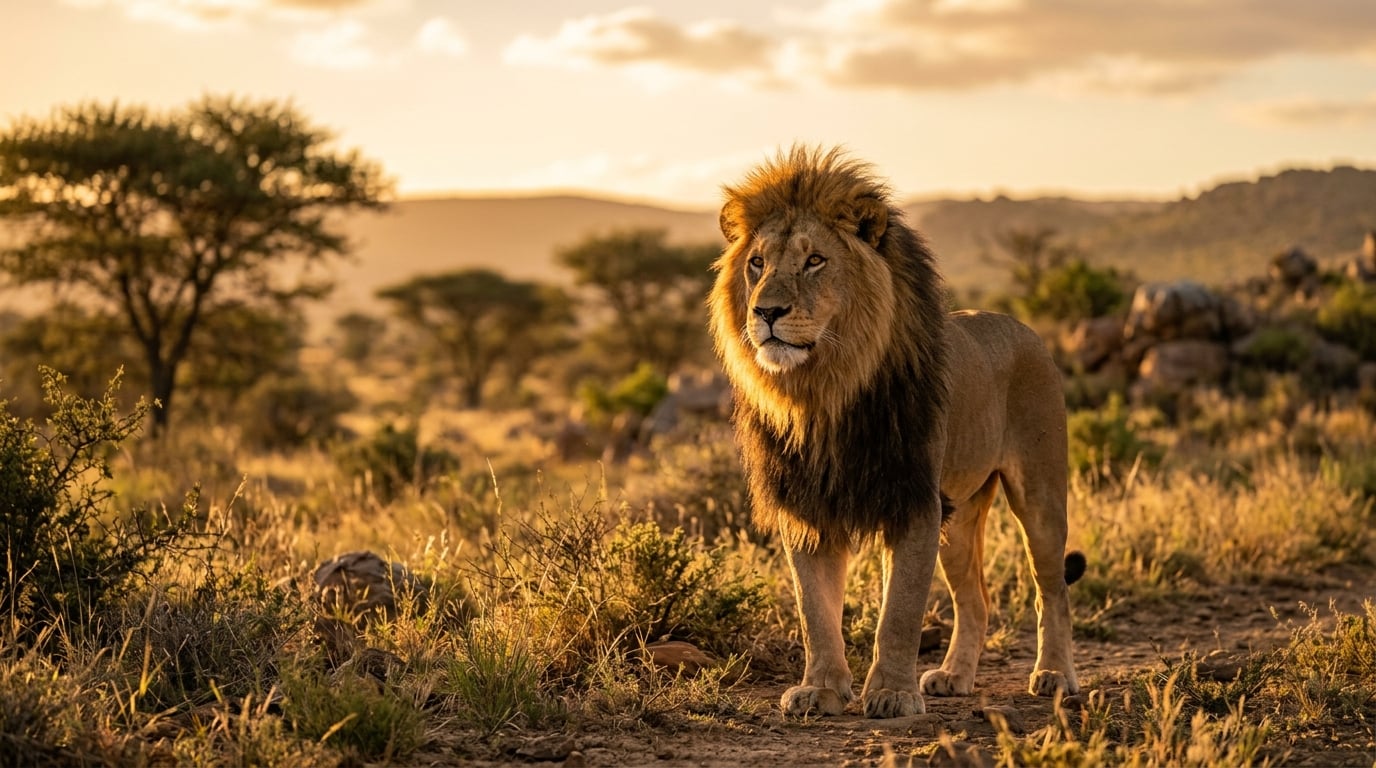
Kruger has approximately 1,600 lions. The best areas are the central region (Satara, Orpen) where open grasslands support large herds of zebra and wildebeest — lion's preferred prey. The S100 road near Satara is nicknamed "Lion Road" for good reason.
Leopard
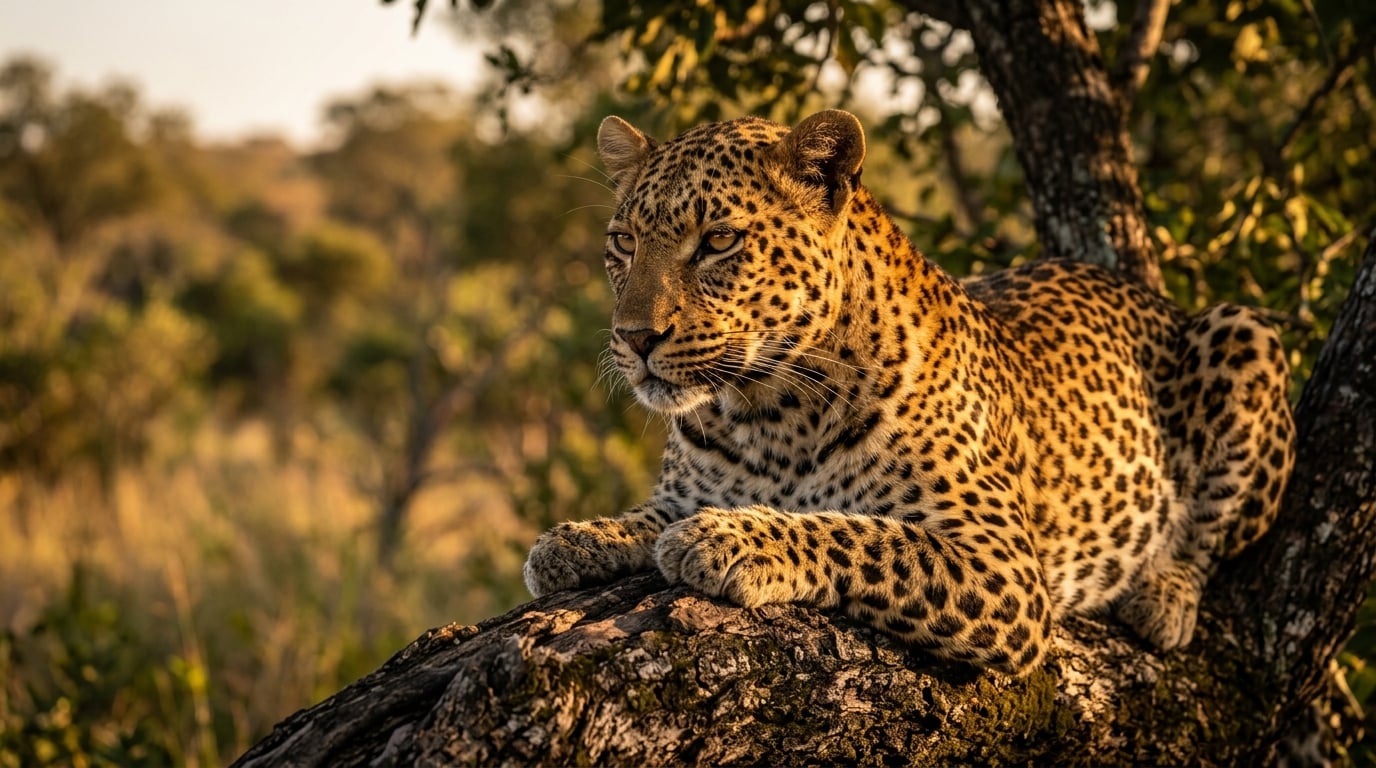
The southern region around Berg-en-Dal and the riverine bush along the Sabie River between Skukuza and Lower Sabie offer the best leopard sightings. Look for them draped over branches in the late afternoon or hunting along dry riverbeds at dusk.
Elephant
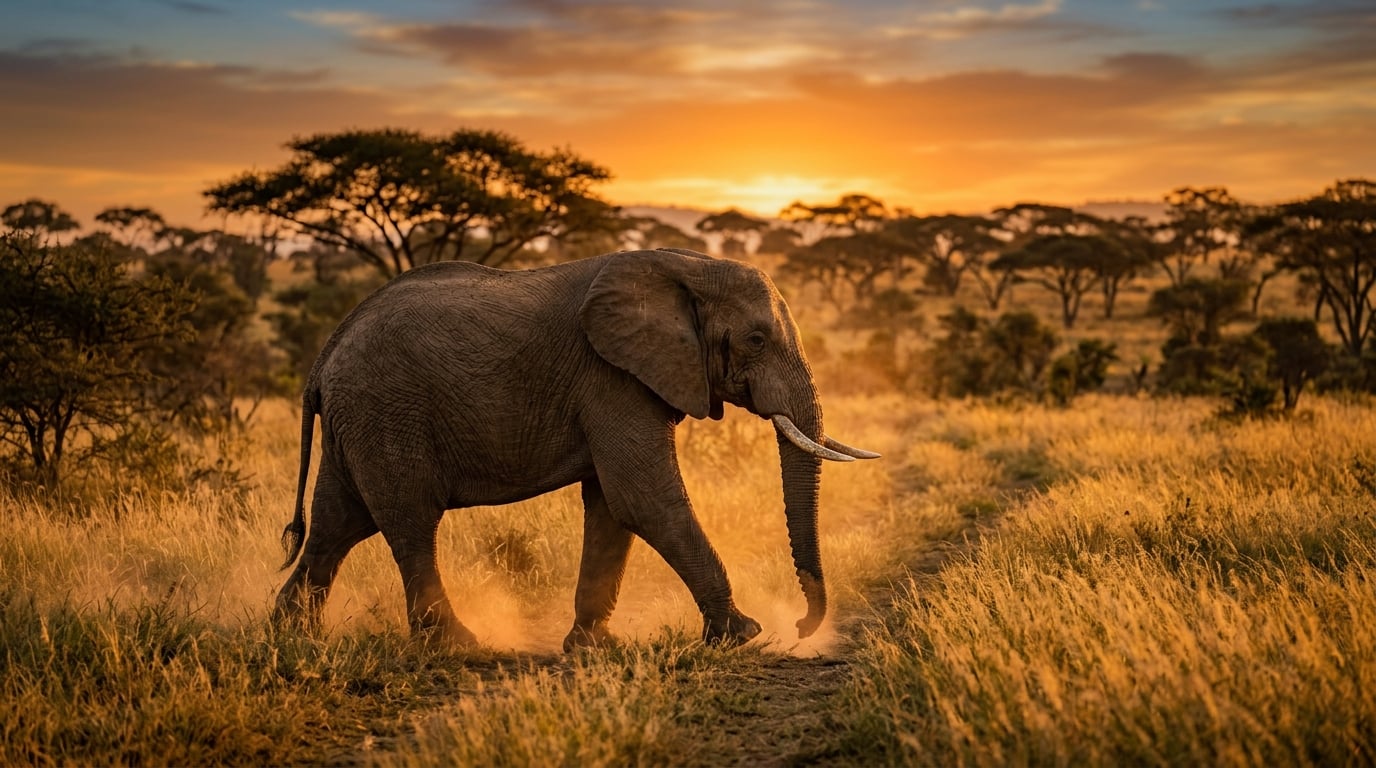
With over 17,000 elephants, you'll see them everywhere — but the Olifants River area and the Letaba region consistently deliver the most impressive herds. Sunset at Olifants camp, watching breeding herds cross the river below, is one of Kruger's great moments.
Rhino
Both white and black rhino inhabit Kruger, though exact locations are kept confidential for anti-poaching security. The southern section (Pretoriuskop, Berg-en-Dal) and areas around Skukuza offer the best chances. Our guides know the territory intimately and maximise your sighting probability while respecting conservation protocols.
Buffalo
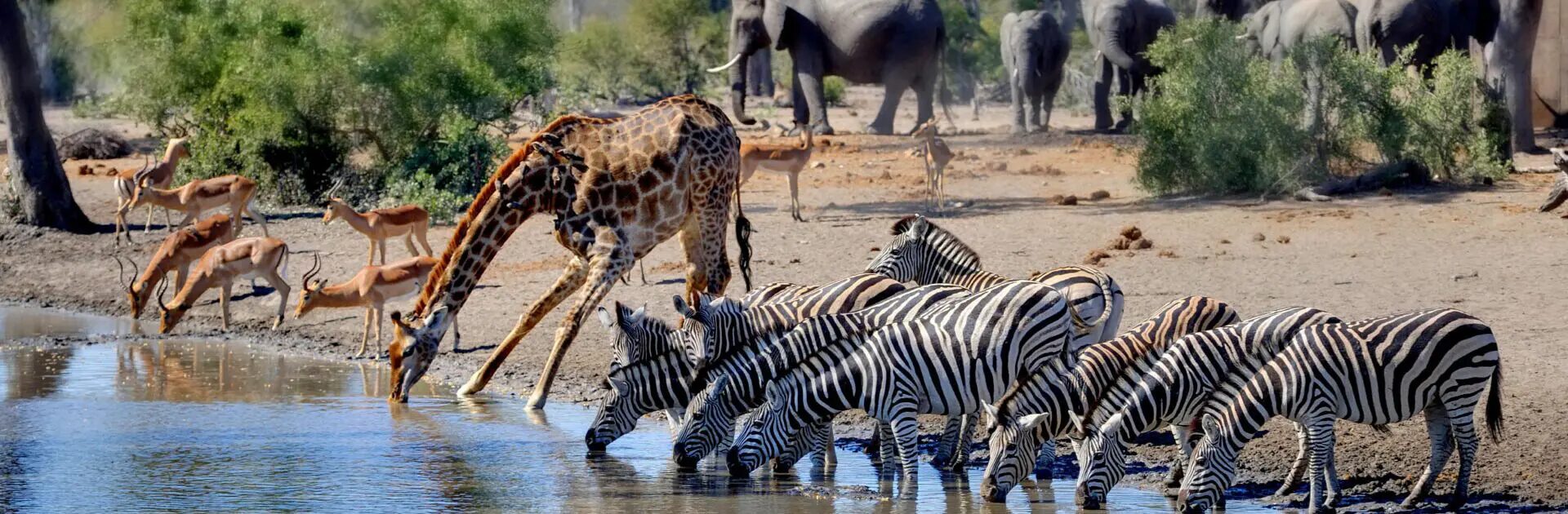
Enormous herds of Cape buffalo — sometimes 500+ strong — graze the central plains near Satara and along the Crocodile River in the south. A buffalo herd drinking at a waterhole, with oxpeckers on their backs and dust rising in the golden light, is quintessential Kruger.
Practical Information
Getting to Kruger
By air: Fly to KMIA (Kruger Mpumalanga International Airport) near Nelspruit — 1-hour flight from Johannesburg, 20 minutes from Kruger's Numbi Gate. By road: 4–5 hours from Johannesburg via the N4/N12. Our multi-day safaris from Johannesburg include all transfers and a Panorama Route stop en route.
Malaria Precautions
Kruger is in a malaria area. Consult your doctor about prophylaxis (Malarone or doxycycline are commonly prescribed). Use DEET-based insect repellent, wear long sleeves at dusk, and sleep under nets. Risk is lowest May–September (dry season) and highest January–March.
What to Bring
Neutral-coloured clothing (khaki, olive, brown), warm layers for open-vehicle morning drives (it can be 5 °C at dawn even in summer), a hat, sunscreen, binoculars, and a camera with at least 200mm zoom. Our vehicles have charging ports for devices.
How many days do you need in Kruger National Park?
A minimum of 2 full days is recommended to experience different areas and maximise Big Five sightings. Our 3-Day Safari is the sweet spot — enough time for morning drives, a walking safari, a night drive, and thorough exploration of two to three different ecosystems within the park.
Is a guided safari better than self-driving in Kruger?
Both have merits. Self-driving is cheaper and offers total independence. However, guided open-vehicle safaris provide elevated seating, expert trackers who communicate sighting locations via radio, access to private roads, and the sensory immersion of an open vehicle. For first-time visitors, a guided safari dramatically increases sighting quality and educational depth.
What are the Big Five and where can I see them in Kruger?
The Big Five — lion, leopard, elephant, rhino, and buffalo — can all be seen in Kruger National Park. Lions are most common in the central Satara region, leopards along the Sabie River, elephants near Olifants and Letaba, rhino in the southern section, and buffalo across the central plains. Our open-vehicle safaris maximise your chances with expert trackers and elevated vantage points.
Book Your Kruger Safari
Kruger National Park is where safari dreams come alive. Whether you want a single day of Big Five tracking, a walking safari through lion territory, or a multi-day immersion in the African bush — Beyond Africa Safaris will create your perfect Kruger experience.
Written by Beyond Africa Safaris
Beyond Africa Safaris · Gray Line South Africa
Inspired?
Turn This Story Into Your Adventure
Book your unforgettable South African experience with Beyond Africa Safaris.
Explore Tours